FamilyFridge
2nd Place @ Rice Designathon 2026. Where everyday moments bring us together.
OVERVIEW
The Prompt
For the 2026 Rice Design-a-thon, I teamed up with Tina (Product Design + Data @ Cornell) and Kathy (Engineering @ Harvey Mudd) to address the prompt:
"How can we bridge generational gaps through design?"
Within the span of just 36 hours, we brainstormed, researched, prototyped, and presented our solution. We were selected as 1 of 8 finalists out of 200+ participants, and our team went on to win 2nd Place overall.
IDEATION
Understanding the Problem
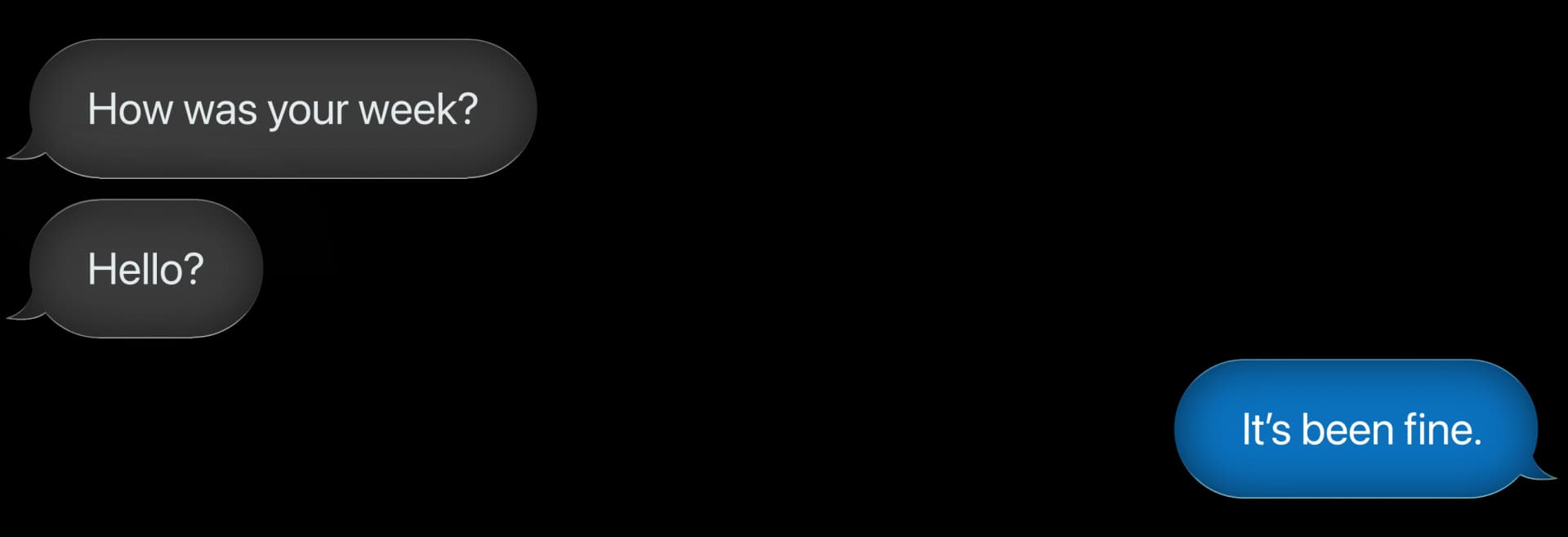
When we first approached the prompt, we asked ourselves: what does the generational gap actually look like for people our age? For most of us, the answer wasn't dramatic. It showed up in phone calls and text chains that felt routine, and never got past "how are you?" and "I'm fine."
The fridge door as a communication medium
For many families, the fridge door is the heart of the home. Covered with notes, drawings, and photos that connect the whole family, it's a space where life accumulates naturally. Our team was inspired by this quiet role of the fridge as a communication medium.
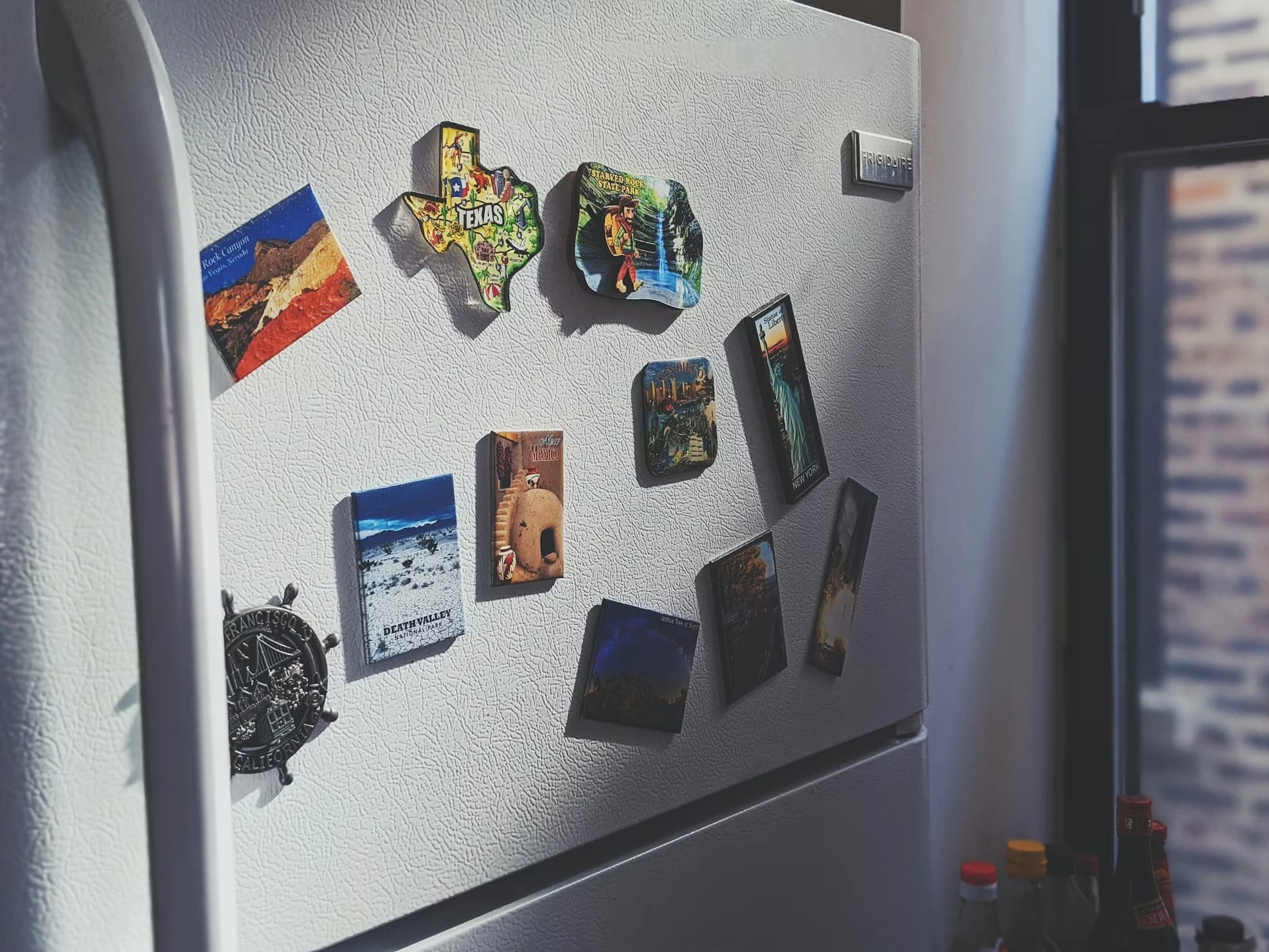
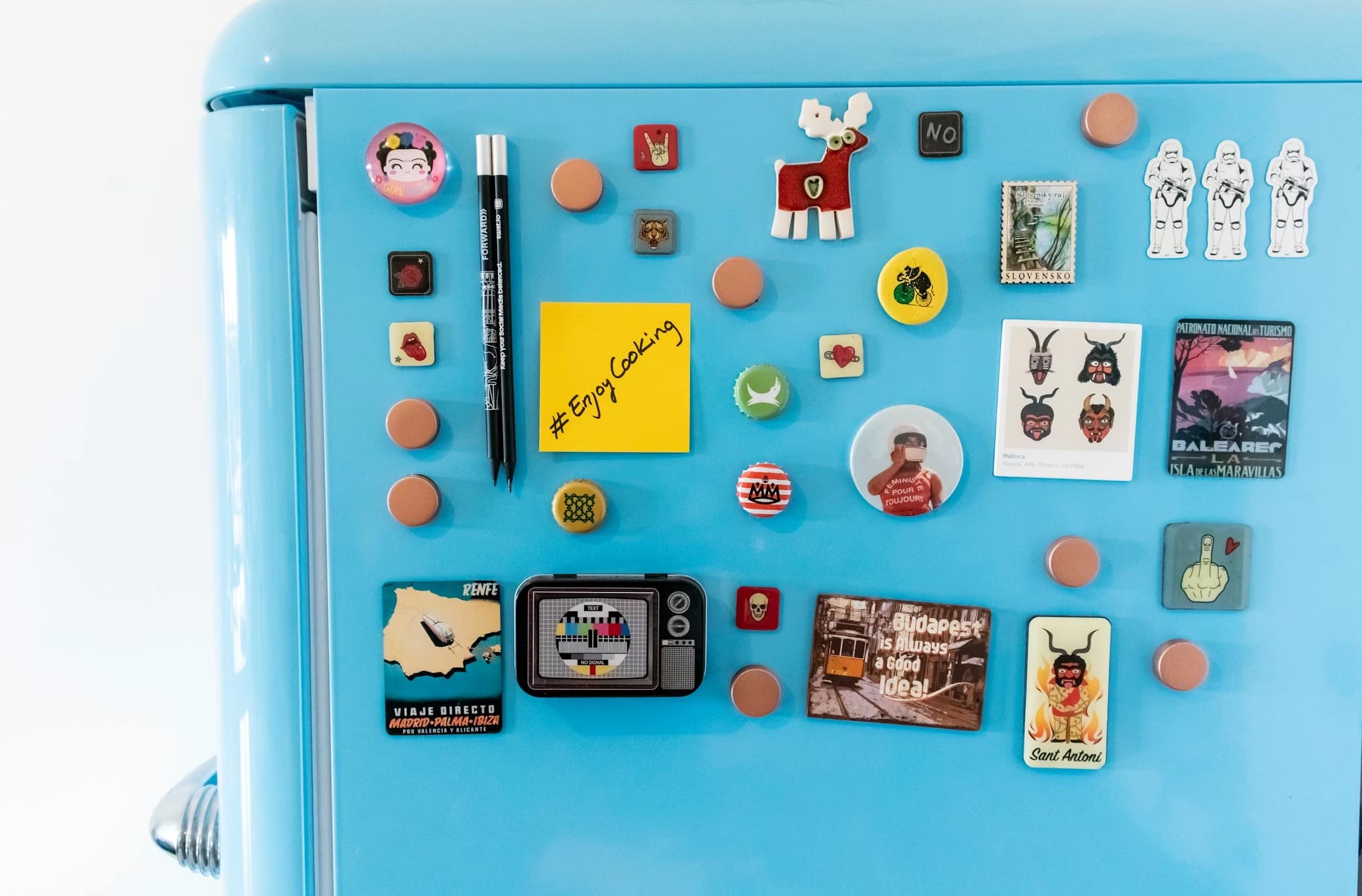
Images: Unsplash
RESEARCH
What's wrong with cross-generation communication today?
We gathered 50 survey responses, conducted 3 user interviews, and performed secondary research to understand how young adults interact with older family members. Our research process was fast and intentional, given the time constraints of the designathon.
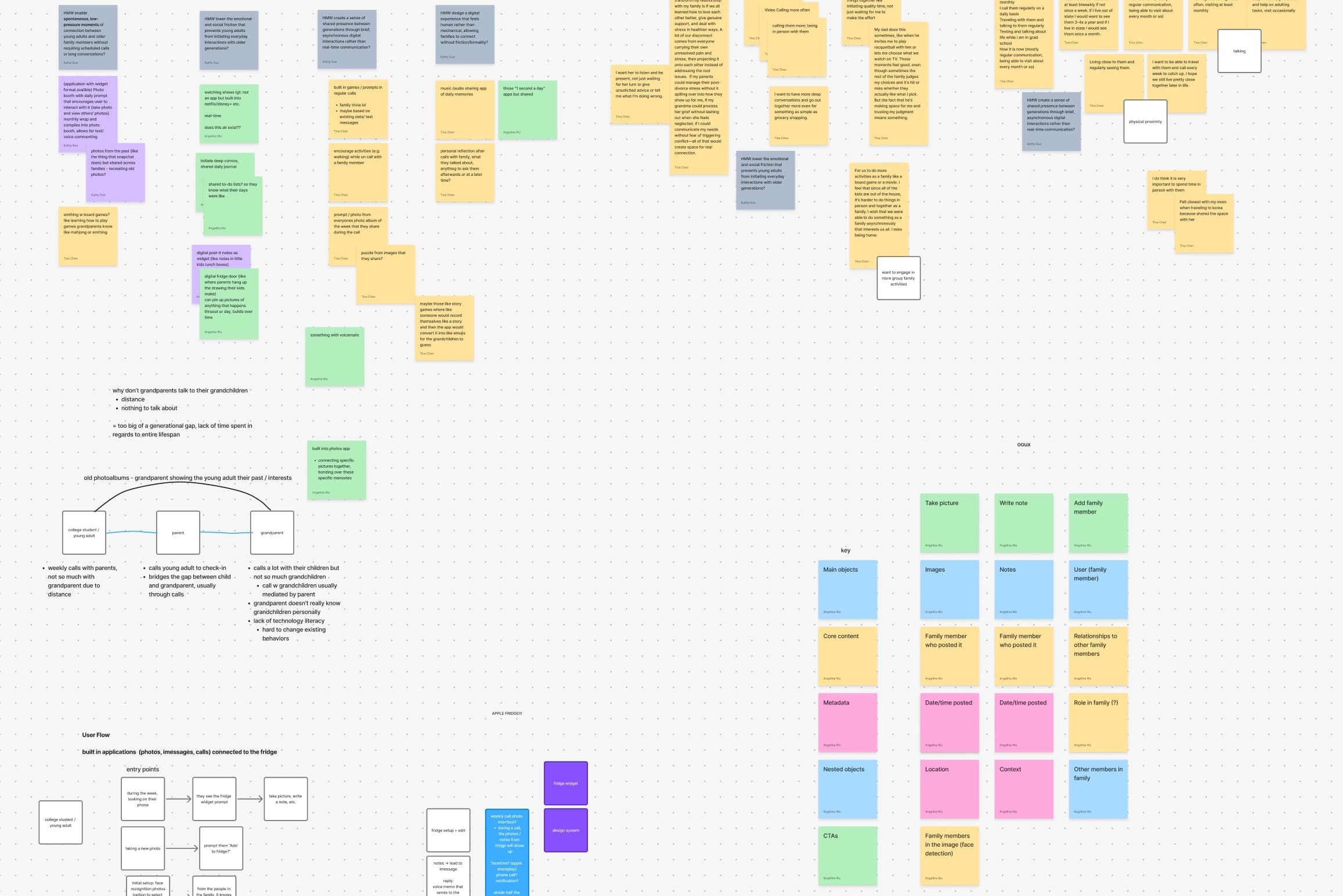
Our FigJam brainstorming board, including survey data charts, affinity mapping, user flows, and competitive analysis.
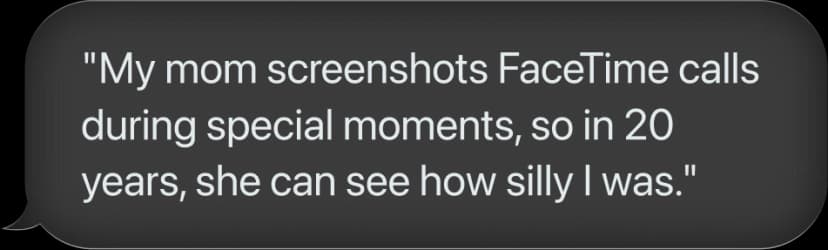
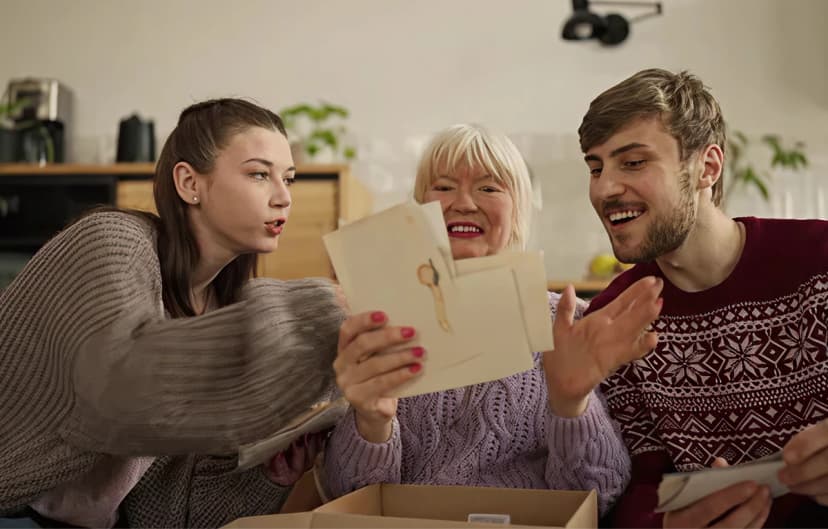
Connection happens in small, shared moments
When we asked interviewees about their most cherished family moments, a clear theme emerged: the moments that mattered most were often ordinary and spontaneous.



A natural extension of an existing routine
~75% of our survey respondents were satisfied with how often they communicate with family, yet many weren't content with the quality of those conversations. At the same time, many preferred their preexisting communication methods — phone calls and texting — since they were already within their routines. Therefore, the best solution would fit into existing habits, instead of asking people to build new ones.
The generational technology gap
A study by the Pew Research Center found that ~50% of young adults are "almost constantly online," compared to just 8% of those 65+. 80% of our survey respondents agreed that their grandparents struggle with technology. Any digital solution must meet older generations where they are, rather than asking them to adapt to unfamiliar interfaces.
GOALS
After synthesizing research, we identified three guiding principles for FamilyFridge.
Spontaneous connection.
The app should be structured around users' preexisting routines and habits to encourage unintentional but genuine connections.
Bridge distance through photos.
Young adults value physical proximity, but schedules make traveling and visits rare. Photos unlock these moments even from a distance.
Minimize friction.
The app should meet users where they are in effortless, familiar interactions, so no one is forced to learn new tools.
PROCESS
Build a new app, or integrate with existing ones?
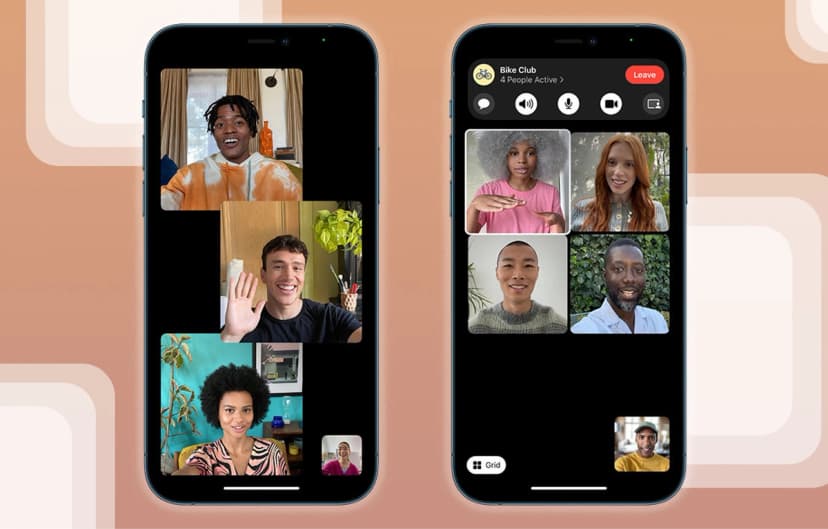
One of the earliest and most consequential decisions we made was whether to design a standalone app or integrate with tools families already use. Our research made this choice clear: the majority of families already use iMessage and FaceTime.
Rather than asking everyone to learn new technology, especially older family members who may struggle with unfamiliar interfaces, we designed the experience to feel at home within the Apple ecosystem.
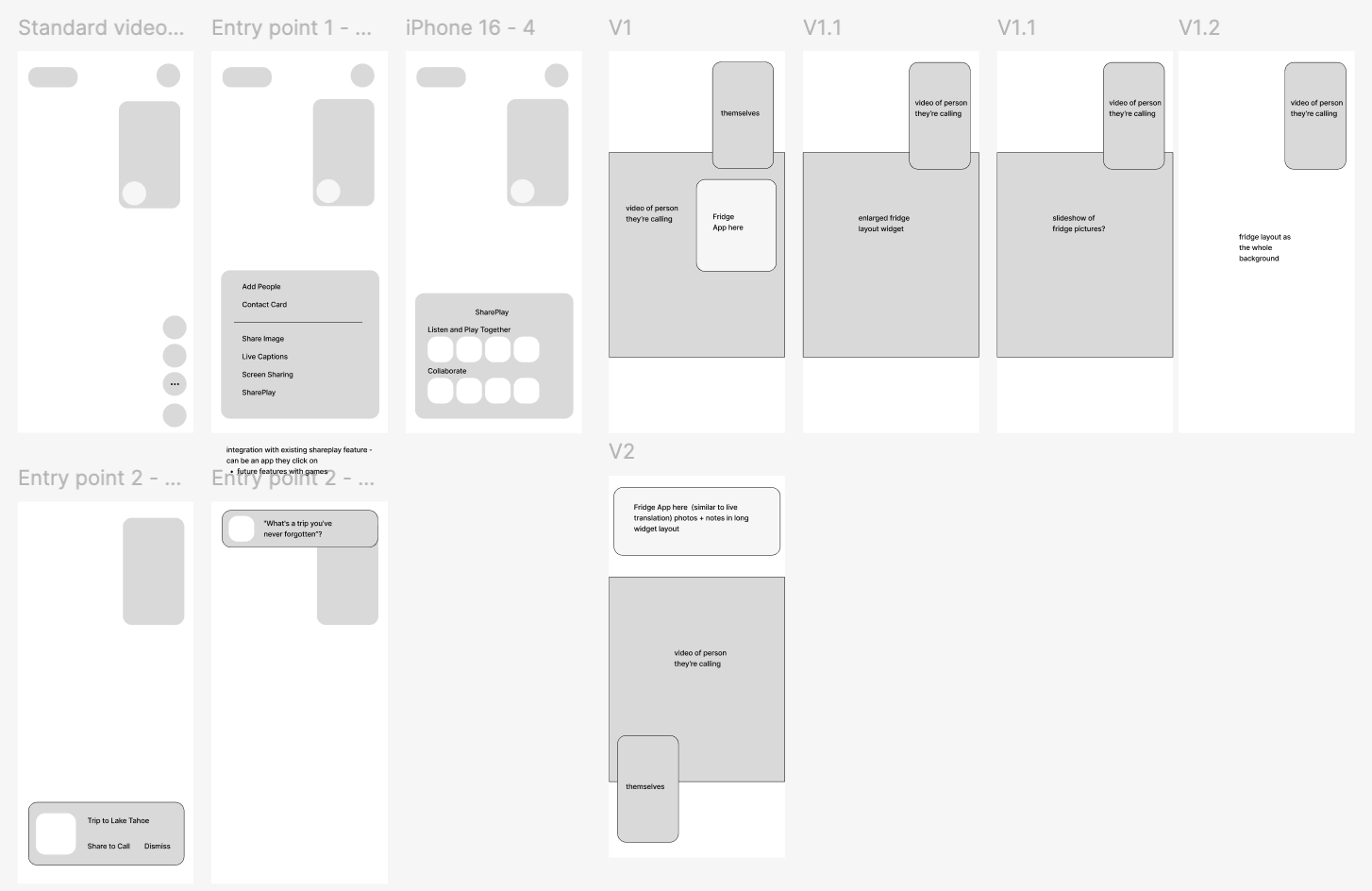
Lo-fi wireframes
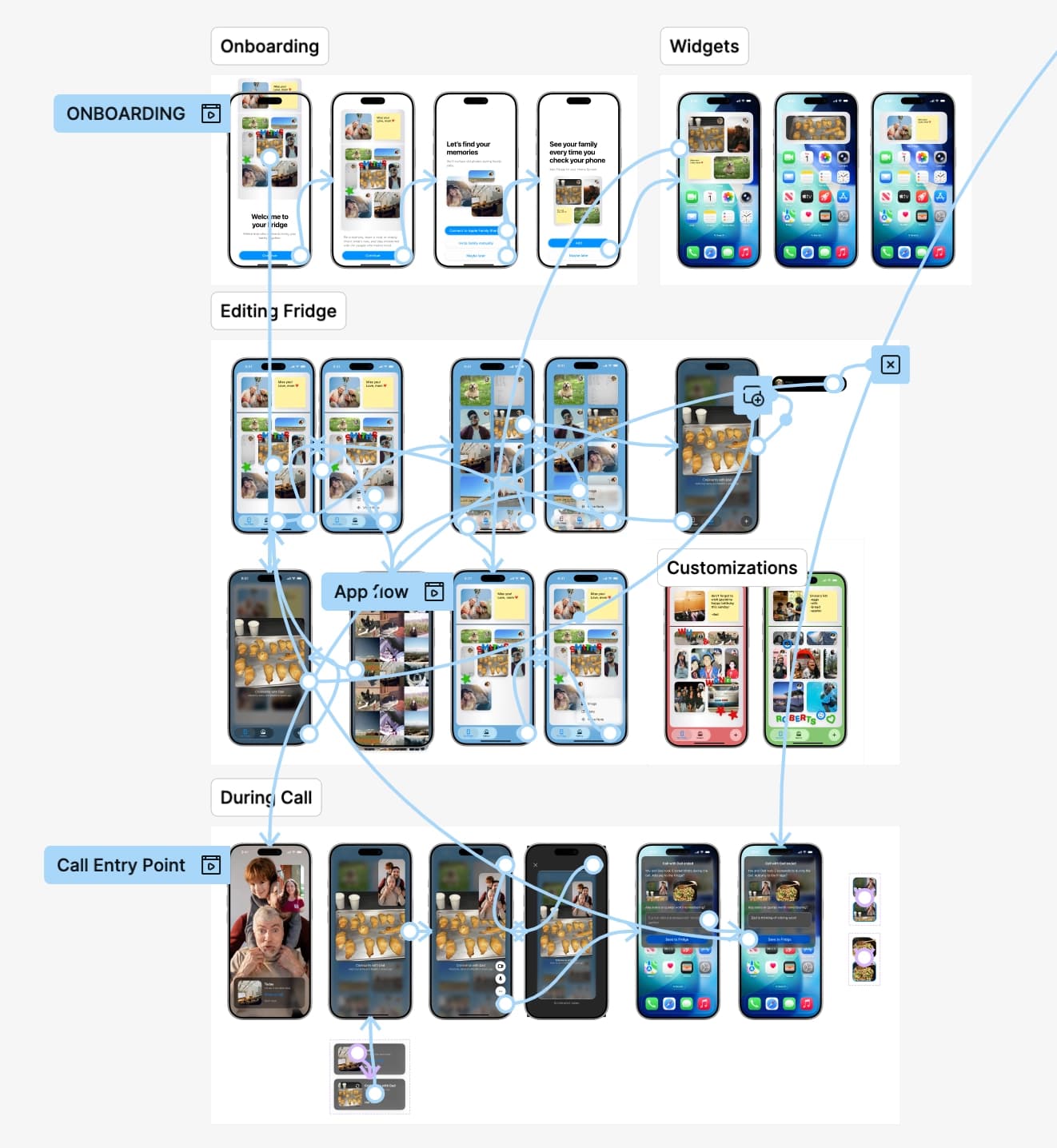
Prototyping
SOLUTION
How FamilyFridge works
A family FaceTimes each other in their typical routine.
During the call, FamilyFridge resurfaces recent and past memories.
After the call, new moments are saved to FamilyFridge.
FamilyFridge grows naturally with new memories over time.
DESIGN
Final Solution
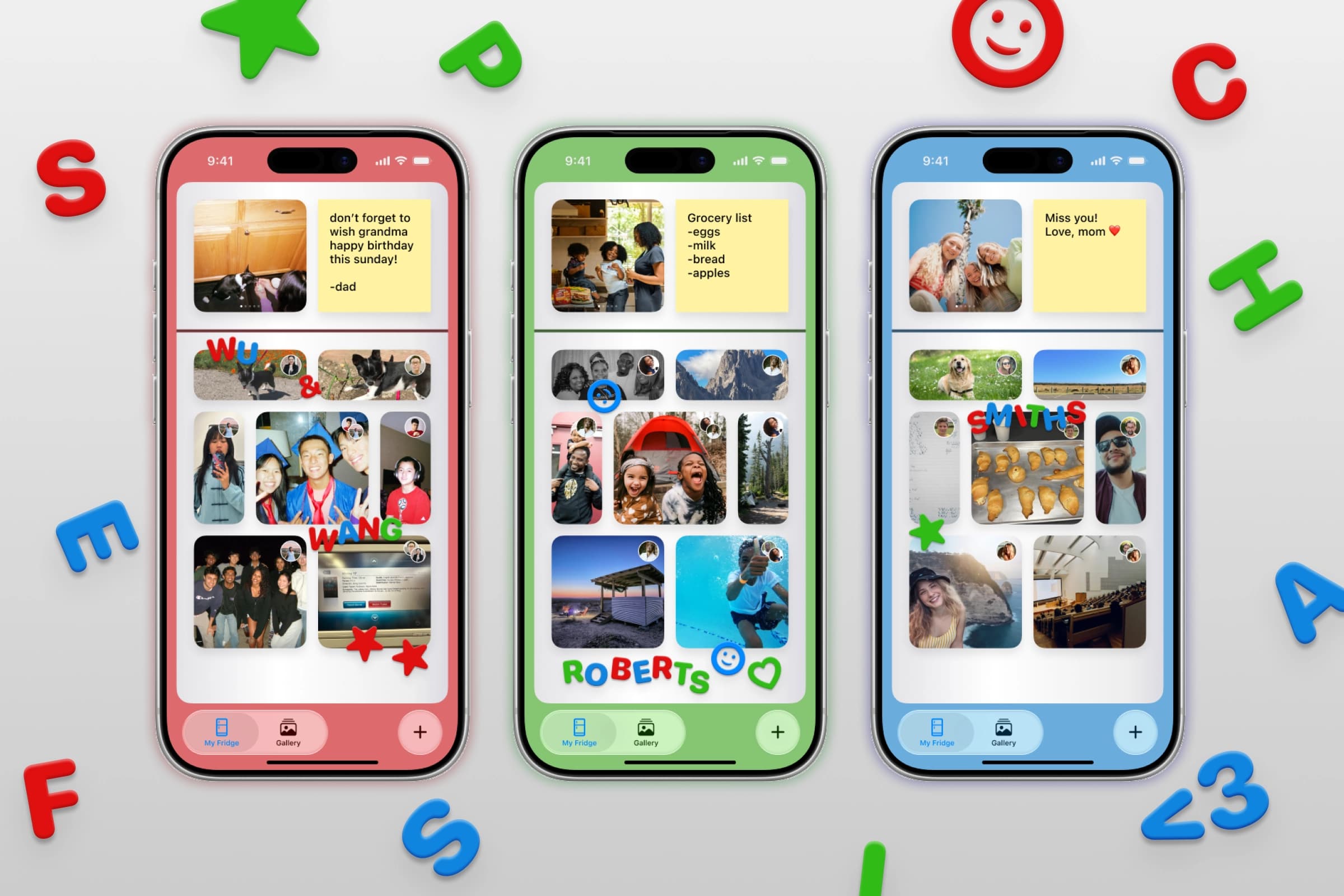
Your family's shared space
Cover your Fridge in moments that build a deeper connection among your family. Pin photos from your day, leave voice or written notes, and see what your family shared.
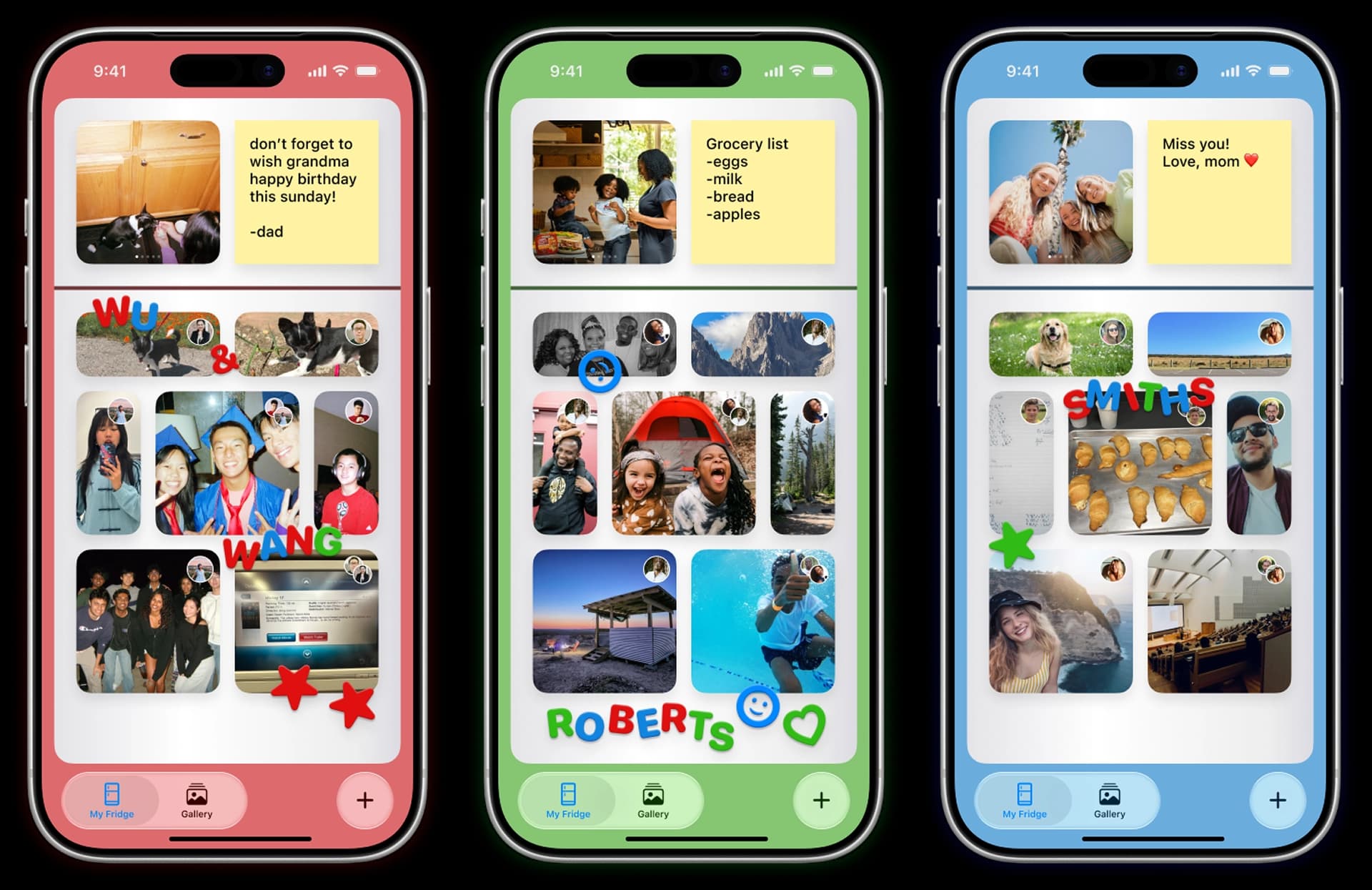
A Fridge for every family
Customize your Fridge to your own unique family. Each family gets their own color theme, name decorations, and layout, making every Fridge feel like home.
Post-call capture
FamilyFridge is integrated with FaceTime. An overlay surfaces screenshots taken during the conversation, lets you select which ones to pin to the Fridge, and prompts for a quick note. This way, the Fridge grows richer with every call.
Presentation
Our final presentation at Rice Design-a-thon 2026.
FEEDBACK
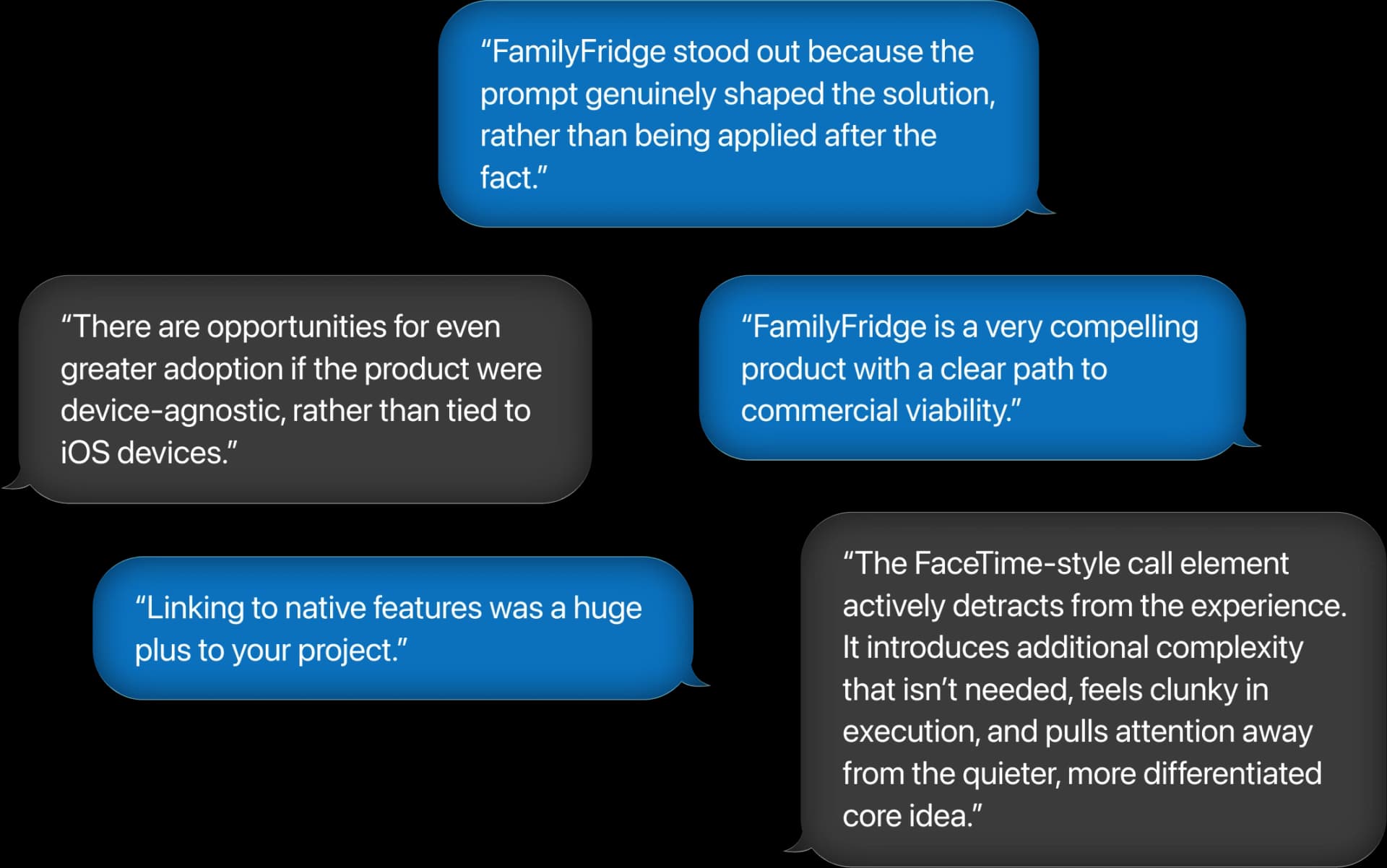
After the event, I reached out to the judges to get their thoughts on our project.
From this feedback, I gained significant and valuable insight into where we did well, and where we could have potentially done better. Here are some things they said!
REFLECTION
Key Takeaways
Design for existing routines.
- Users rarely build new habits, so solutions should weave into the ones they already have. FamilyFridge succeeds because it enhances FaceTime calls families are already making.
Good solutions start with listening.
- User interviews and surveys guided every feature we created. An early pivot from a shared canvas to a structured fridge layout came directly from hearing that older generations wouldn't engage with freeform interaction. Sometimes the best design decisions come from what you choose not to build.
Growth under constraints.
- In 36 hours, we grew tremendously as designers, storytellers, and researchers. The time constraint forced us to be decisive and trust our instincts.
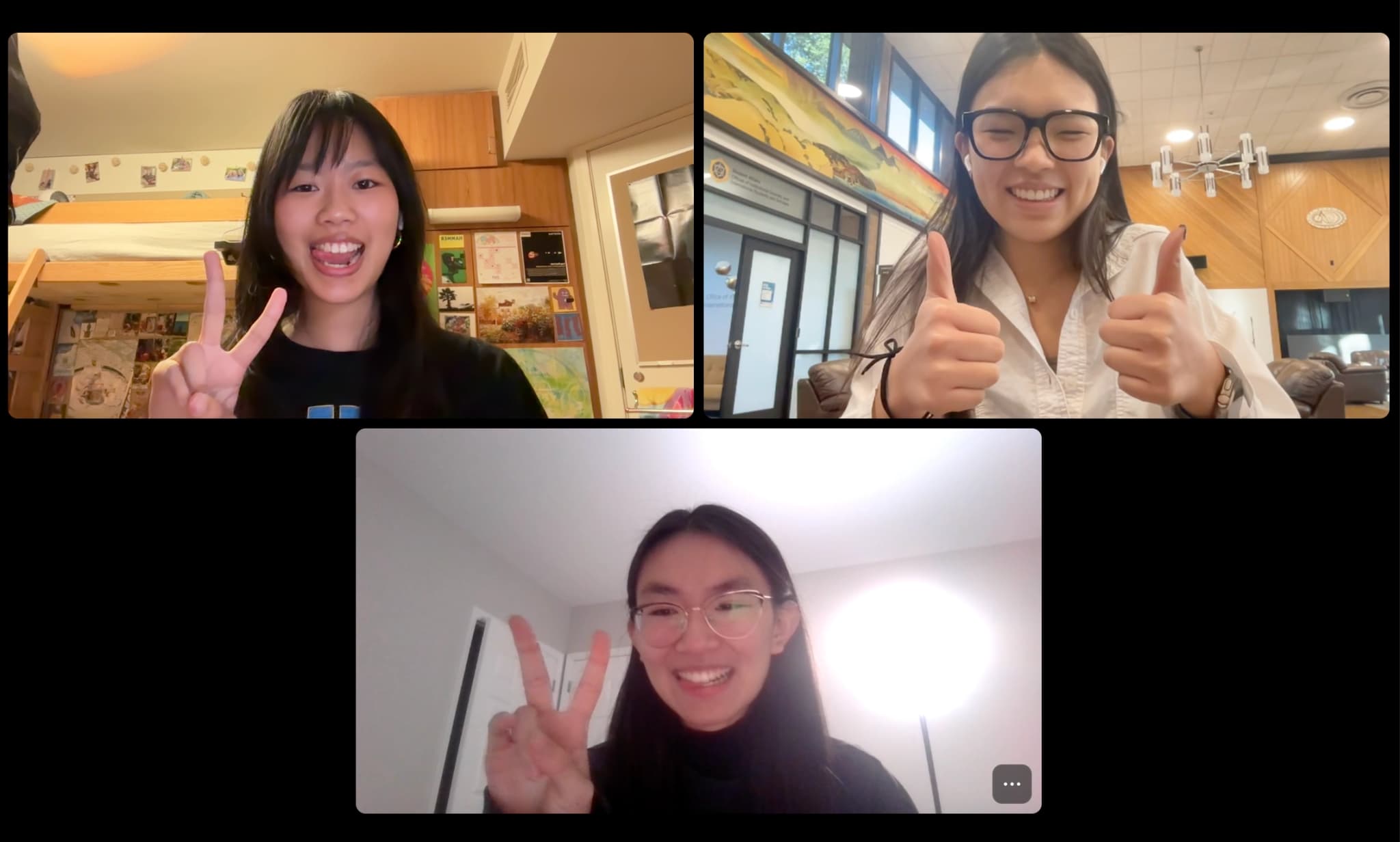
Thank you to Tina and Kathy for being incredible teammates!! :)